


Master your cellular energy production for peak performance, vitality, and longevity, Start the 11-part series below.
Master your cellular energy production for peak performance, vitality, and longevity, Start the 11-part series below.


Mitochondrial health describes how well your mitochondria are functioning across three interconnected dimensions: how efficiently they produce energy, how effectively your body creates new mitochondria (biogenesis), and how reliably it removes and recycles damaged ones (mitophagy or fusion).
When all three are working well, the result is a cell that can meet its energy demands, respond to stress, repair damage, and sustain function over time. This adaptive process is referred to as hormesis. When any dimension falters, the consequences reach far beyond the individual cell and may send the body’s systems into a downward bioenergetics spiral.
Mitochondria are present in every cell in the body with the exception of red blood cells, which do not contain mitochondria. Typically, cells can contain thousands of mitochondria and the cells with the highest energy demands contain the most mitochondria For example in cardiac muscles, mitochondria make up roughly 40 percent of the cell’s total volume; in liver cells, they account for approximately 17 to 20 percent of the cell volume.
Each neuron contains an estimated two million mitochondria working continuously to power memory, cognition, and emotional regulation. This concentration is not incidental. It reflects how completely mitochondrial function underpins the operation of every major system in the body.

Every process that takes place in a living cell, including the human body, requires energy. That energy is stored and transferred in a molecule called adenosine triphosphate, or ATP, commonly described as the energy currency of the cell. Mitochondria generate approximately 90 to 95 percent of the body’s ATP.
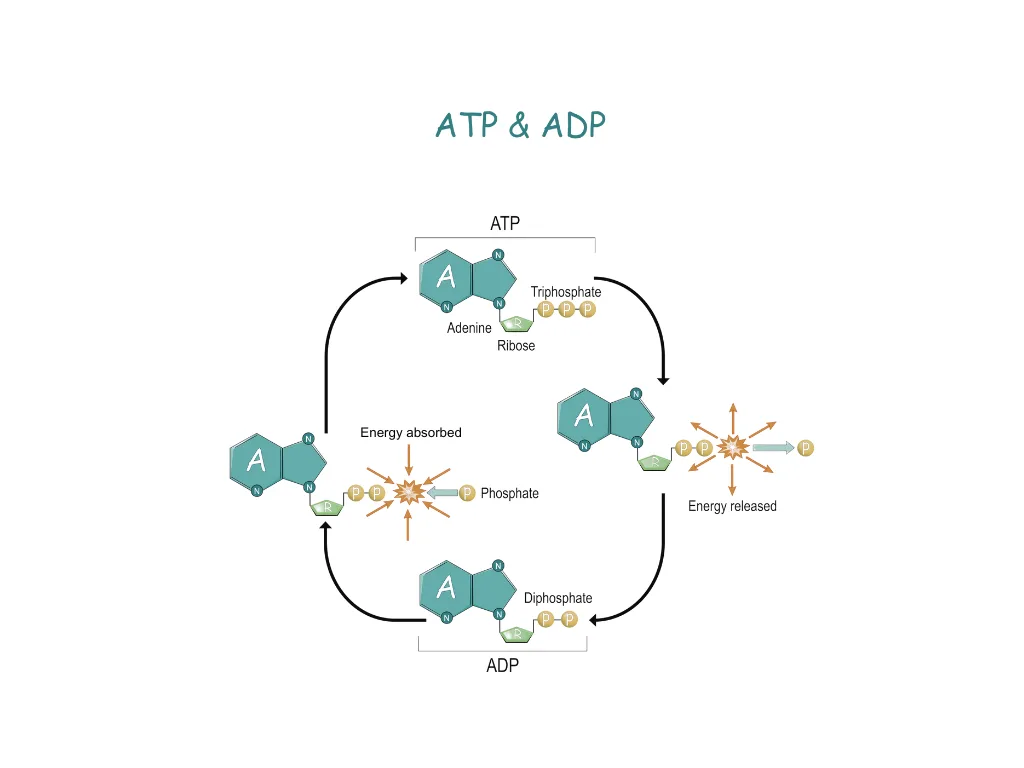
The process of ATP production is called oxidative phosphorylation. It takes place inside the mitochondria through a sequence of steps involving the Krebs cycle and the electron transport chain. Understanding the mechanics of this process is the domain of bioenergetics
, a field that examines how energy flows through living systems at the cellular level.

Mitophagy, also referred to as fusion, is the selective removal and recycling of damaged or dysfunctional mitochondria in the cell. It is the cellular quality control mechanism that prevents damaged organelles from accumulating and causing harm and dysfunction in the cell.
Damaged mitochondria are not inert. They produce excessive reactive oxygen species (ROS), interfere with ATP production, and can activate inflammatory pathways that damage surrounding tissue. Left to accumulate, damaged mitochondria become a source of dysfunction rather than support for biological processes. Mitophagy prevents this by tagging damaged mitochondria for degradation and breaking them down so their components can be reused or cleared.
Oxidative stress accumulation. Damaged mitochondria produce excessive reactive oxygen species (ROS), which in turn damage more mitochondrial structures, creating a self-reinforcing cycle.
In salugenesis, every molecule, every cell, and every organ participates in an ongoing process of self-repair in response to physical and mental stress. Mitochondria are at the operational centers of this process. They do not simply power the healing response. They initiate it, sustain it, and signal when it is complete. When mitochondrial health is strong, the body’s salugenetic capacity is high. When mitochondria are compromised, even routine stress can trigger cycles of dysfunction the body cannot fully resolve.


Mitochondrial health is a rich, interconnected field. The pages in this knowledge hub explore each dimension in greater depth, from the molecular mechanics of biogenesis and mitophagy to the relationship between mitochondria and specific health conditions.
This content is for educational purposes only and is not medical advice. Consult a healthcare professional for guidance specific to your situation.
Studies, articles and talks behind this page.
Lustig, Robert. “Not Your Grandma’s Nutraceutical.” BlueOakNx Blog.
Dugar, Sundeep. “The Powerhouse Within: Rebuilding Health Through Mitochondrial Regeneration.” Interview by Jaban Moore. MedMaps 2026. DrTalks video.
Dugar, Sundeep. “Mitochondria in the Middle: Closing Remarks.” BlueOakNx. YouTube video.
Dugar, Sundeep. “Mitochondria FAQs.” BlueOakNx. YouTube video.
Dugar, Sundeep. “Energy Powerhouse: Mitochondria & More.” Interview by Dr. Rahman and Dr. Ahmad. Two Curious MDs. Podcast.
BlueOakNx. “What to Look For in a Safe, Effective Supplement (A Complete Checklist).” BlueOakNx Blog.
BlueOakNx. “Mitochondria DeMystified.” YouTube playlist.
BlueOakNx. “Does Mitochondrial Function Shape Cardiovascular Health?” BlueOakNx Blog.
Barnett, Christopher F., Aldo Moreno-Ulloa, Sruti Shiva, Israel Ramirez-Sanchez, Pam R. Taub, Yongxuan Su, Guillermo Ceballos, Sundeep Dugar, George Schreiner, and Francisco Villarreal. “Pharmacokinetic, Partial Pharmacodynamic and Initial Safety Analysis of (−)-Epicatechin in Healthy Volunteers.” Food & Function 6, no. 3 (2015): 824–33. https://doi.org/10.1039/C4FO00596A. Free full text
October 1, 2026This content is for educational purposes only and is not medical advice. Consult a healthcare professional for guidance specific to your situation.