


The Race for Cellular Longevity Just Got Real: Leading Scientists Weigh In
Right now, inside every one of your cells, thousands of tiny power plants called mitochondria are working to keep you alive. When they function well, you feel energetic and healthy. When they fail, you age. After 2 billion years of evolution, we’re finally figuring out how to keep these cellular batteries charged, and unlike most cutting-edge medical breakthroughs, this one might actually reach everyone.
Why Other Approaches Keep Hitting Walls
Cellular Reprogramming: Some companies aim to reset cells to younger states using reprogramming, Yamanaka factors. The problem? During animal testing, some subjects developed tumors or died. Resetting cells too far back can make them lose control and become cancerous.
NAD+ Boosters: These supplements act like fuel gauges for your cells. But recent research revealed a troubling issue: boosting NAD+ might not reduce damaged cells and could make them release more inflammatory signals that harm surrounding tissue. It’s like giving more fuel to a damaged engine that’s already spewing smoke.
Why Mitochondria Are Different
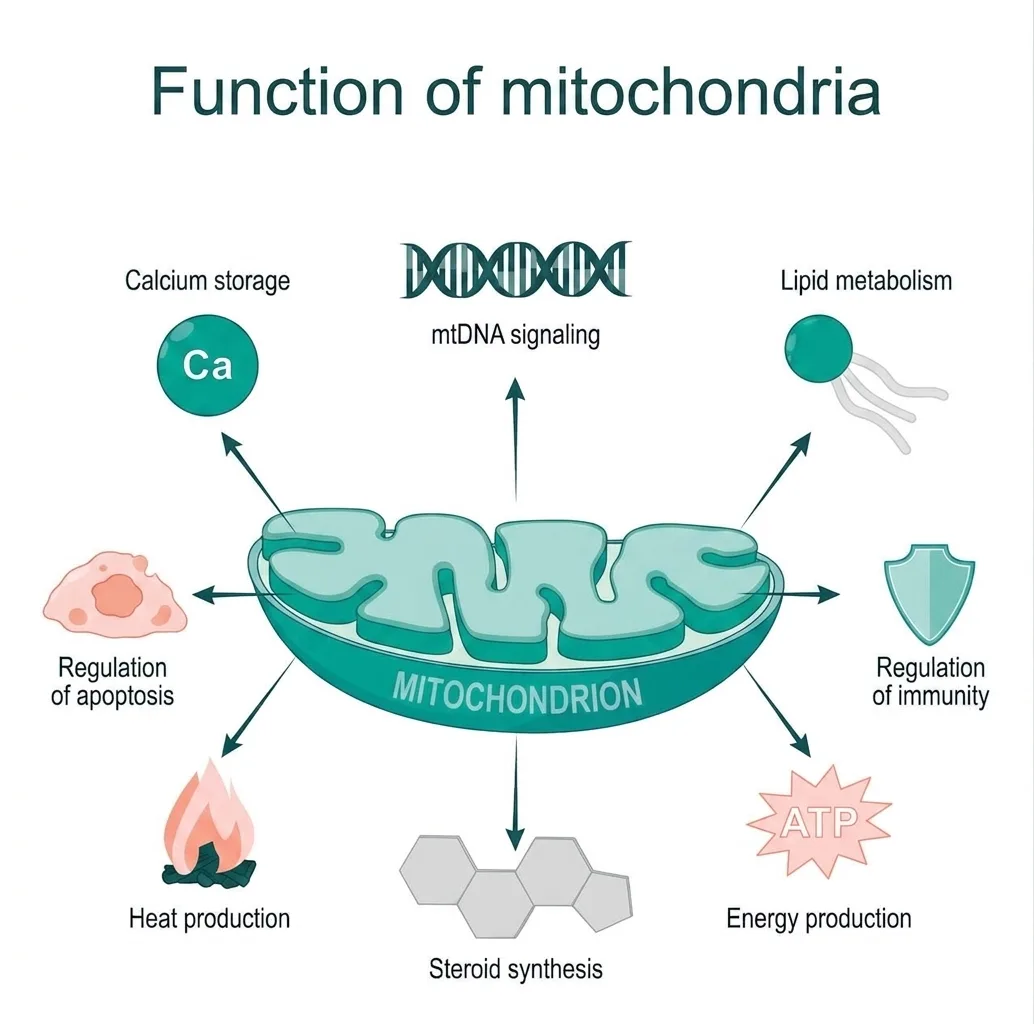
Mitochondrial medicine offers unique advantages:
Safety through familiarity: Your body already knows how to make more mitochondria (it does this every time you exercise) and eliminate damaged ones. We’re leveraging natural processes, not forcing cells to do something unnatural.
Multi-system impact: Mitochondrial health affects everything, brain function, muscle strength, heart health, metabolism, and stress response. Fix the power plants, and you improve the whole factory.
Environmental responsiveness: Mitochondrial function responds to lifestyle factors like exercise, diet, and sleep, making it an excellent target for interventions that work alongside healthy behaviors.
The Breakthroughs You Haven't Heard About
Imeglimin: In June 2021, Japan approved the world’s first oral medication targeting mitochondrial function. This diabetes treatment proves mitochondrial therapies can get regulatory approval and work in actual patients, opening doors for future mitochondrial medicines.
The Exercise Hormone Discovery: Dr. Sundeep Dugar identified a novel steroid hormone that mitochondria produce during exercise, explaining at a molecular level why exercise provides broad health benefits. This led to compounds that mimic exercise effects at the cellular level, crucial for people who can’t exercise due to injury, disease, or recovery.
Advanced Research Pipeline: Dr. Ming Guo developed tools that selectively eliminate up to 95% of damaged mitochondrial DNA while leaving healthy mitochondria alone. Clinical trials are exploring mitochondrial interventions for conditions from macular degeneration to neurodegenerative diseases.
The Scientific Dream Team
Blue Oak Nutraceuticals assembled an all-star team of mitochondrial researchers. In September 2025, they hosted a UCSF symposium bringing together leading voices:
- Dr. Robert Naviaux (UCSD): Developer of the “Cell Danger Response” theory
- Dr. Robert Lustig (UCSF): Metabolic health expert and bestselling author
- Dr. Andrew Dillin (Howard Hughes): Mitochondrial signaling researcher
- Dr. Phillip Dumesic (UCSF Diabetes Center): Regulation of oxidative capacity
- Dr. Elissa Epel (UCSF Psychiatry): Healthy longevity expert
- Dr. Mark Mattson: Former Chief of NIH Laboratory of Neurosciences
- Dr. Mark Tarnopolsky : CEO of Exerkine Corporation and exercise-longevity expert
This wasn’t just a conference, it was about building community and convening leading authorities in mitochondrial longevity research.
Why Mitochondria Beat the Alternatives
- Versus Cellular Reprogramming: Uses safe biological processes instead of genetic manipulation that can cause tumors
- Versus NAD+ Boosters: Targets actual power plants without enhancing inflammatory responses
- Versus Stem Cell Therapy: Platform technology with broad applications at lower costs ($2,500-$50,000 per stem cell treatment)
- Versus Gene Therapy: Immediate therapeutic applications without long-term DNA alteration concerns
From Rare Diseases to Healthy Aging
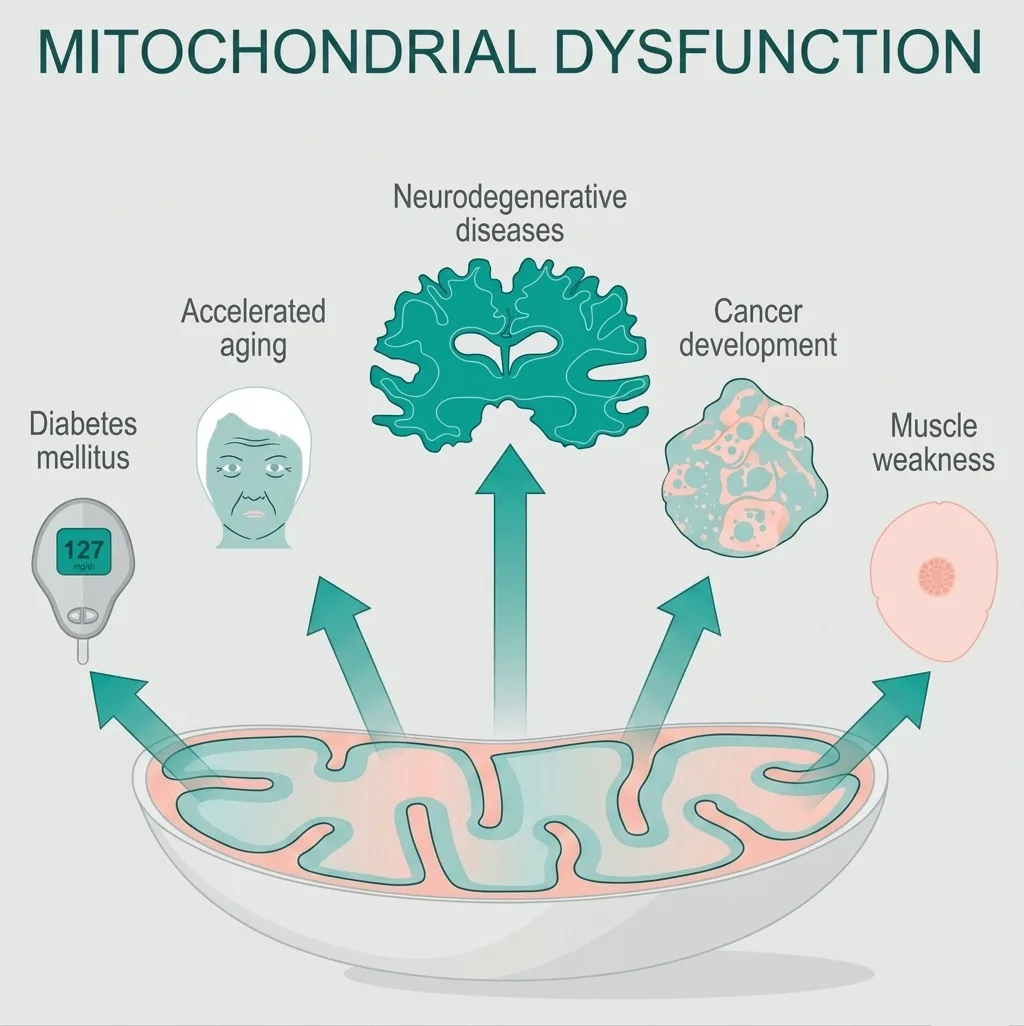
While primary mitochondrial diseases affect about 1 in 4,300 babies, mitochondrial dysfunction extends far beyond rare genetic conditions. As we age, everyone experiences mitochondrial decline. The general energy decline we all feel is fundamentally a mitochondrial issue.
The most promising path forward combines complementary strategies: mitochondrial interventions with NAD+ enhancement, selective DNA cleanup with biogenesis support, and exercise mimetics alongside actual lifestyle factors.
What This Means for You
Now: Mitochondrial therapies are already approved and working (like Imeglimin for diabetes).
Next 3-5 years: Expect more clinical trials and approvals for mitochondrial medicines targeting age-related conditions.
5-10 years: Mitochondrial interventions could become standard preventive medicine, something you start in middle age to maintain cellular health, like statins for heart disease prevention.
The equity question: Whether these interventions reach everyone or just the wealthy depends on business models and regulatory decisions being made now. Blue Oak’s Public Benefit Corporation structure and tokenized funding models aim to ensure breakthrough science doesn’t become another luxury good.
The Bottom Line
If your cells are cities, mitochondria are the power grid. You can have the best infrastructure, but if the power grid fails, everything stops. Fix the power grid, and everything else functions better
Read more about BlueOakNx’s longevity journey with XPrize.
Research Note: This article draws on peer-reviewed publications, clinical trial data, and institutional research. For informational purposes only, not medical advice.
Read / Watch More
- Read More About Why Healthspan is More Important than Longevity
- Read more about The Link Between Mitochondrial Health, Muscle Mass, and Longevity