
Beyond the Gym: How Natural Mitochondrial Science Could Transform Muscle Mass and Healthspan
In a recent episode of the Peptides and Bio Regulator Summit, host Michael McNeal sat down with scientist Dr. Sundeep Dugar from BlueOakNx for a conversation that left even this seasoned peptide expert genuinely stunned. What started as a discussion about mitochondrial energy production turned into a masterclass on muscle building, aging, and a natural molecule that had McNeal frantically queuing up an order mid-interview.

When a Peptide Pro Gets His Mind Blown
McNeal, who describes himself as more interested in “300 pound weight lifting” than marathons, thought he understood mitochondrial function. He was wrong. “I thought I knew a lot about mitochondria and here you are, just taking me down a new rabbit hole,” he admitted.
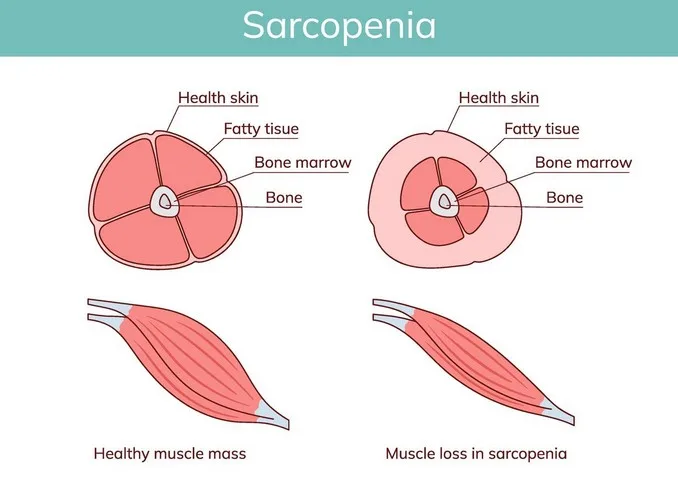
Dugar opened with a revelation that hit home for the 35-year-old: humans lose 10 to 15 percent of their mitochondrial concentration every decade after age 21. “I didn’t even know there was a direct correlation,” McNeal responded. For someone dedicated to maintaining muscle mass, understanding that mitochondrial loss drives age-related muscle decline was a game changer.
The Natural Molecule That Outperforms Cortisol
The interview reached its peak when Dugar explained his 16-year research quest. After observing clinical data showing muscle tissue in 60-year-old patients resembling that of 50-year-olds after just three months, he became determined to understand how exercise actually builds muscle at the cellular level.
“I went around to everybody and nobody could tell me,” Dugar recalled. “Sure, you will lift weights and build more muscle. Fair enough. But how does it happen?”
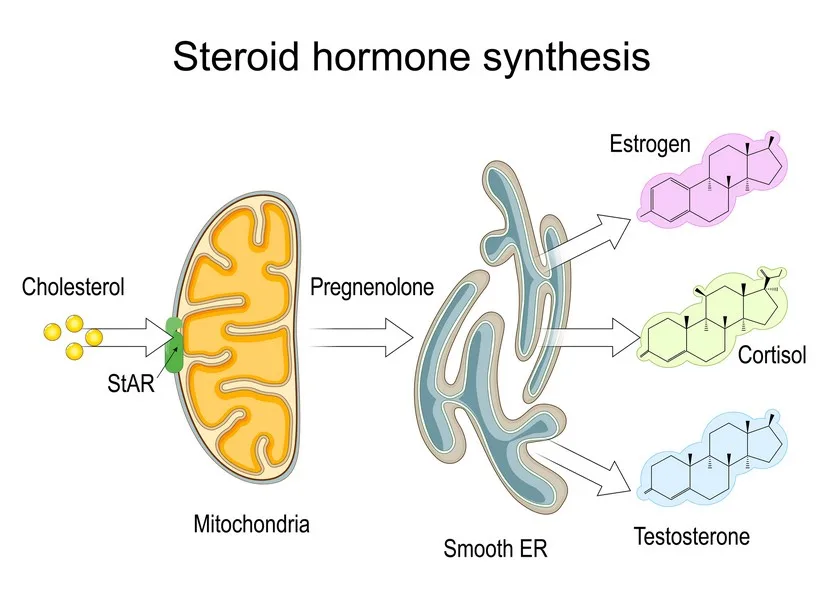
His research uncovered 11-beta-hydroxypregnenolone, a steroid hormone the body naturally produces during exercise to trigger mitochondrial biogenesis. When Dugar searched PubMed for this compound, he found nothing. His team became the first to detect it in living species.
The potency was staggering: active at the femtomolar range, making it a thousand times more active than cortisol. “This thing was the most powerful initiator of mitochondrial biogenesis I have ever seen,” Dugar explained.
McNeal’s response: “I need some now. My goodness.”
The Exercise Connection
What made this discovery particularly relevant for weightlifters was how it explained the cellular mechanism. When you exercise, your cells produce ROS (reactive oxygen species), which activate specific enzymes in the mitochondria. This triggers production of the hormone, initiating the creation of new mitochondria without cells dividing.
Dugar also challenged conventional wisdom: taking antioxidants like vitamin E and C during exercise can actually blunt muscle growth by quenching these important cellular signals. “The difference between poison and potion is dose,” he noted.
“It makes me proud to be in the gym,” McNeal said after learning that exercise is the only natural way to regenerate mitochondria.
Beyond Performance
What ultimately impressed McNeal wasn’t just the performance benefits but Dugar’s mission. BlueOakNx operates as a public benefit corporation focused on populations who cannot exercise due to genetic conditions, chronic diseases, or disabilities. The company was selected as one of 40 teams from 640 globally for the XPRIZE Health Span Competition.
“You have struck the balance between the karmic bank account, which is being able to truly be a business for help,” McNeal observed, before announcing: “I literally queued up the website because I’m about to place my first order today.”
For a peptide expert and dedicated weightlifter to respond with such genuine enthusiasm speaks volumes about the potential implications of this research.
Watch the entire episode here (subscription may be required): https://drtalks.com/videos/can-one-molecule-mimic-the-benefits-of-exercise
Watch additional BlueOakNx videos here: https://www.youtube.com/@BlueOakNx